
MOQ is not a standalone number that remains unchanged while a packaging specification develops. It is connected to tinplate sheet yield, box dimensions, artwork versions, printing preparation, forming steps, and the quantity assigned to each design. For a custom tin packaging project, the more useful question is not simply how low the minimum can go. The useful question is which production layout creates that minimum and which specification changes can move it.
The Practical Answer
Tinplate layout and box dimensions affect how many usable components can be produced per sheet, while artwork versions and setup requirements influence the minimum practical production run. These factors may change the quoted MOQ or unit cost, but a change in sheet yield does not automatically change the supplier’s minimum order quantity.
Consider a packaging project at quotation stage. The product dimensions are almost fixed, several artwork directions are under review, and the initial quantity is smaller than the expected repeat order. It can seem reasonable to ask for one universal MOQ and compare quotations around that number.
Production planning sees the same project differently. The flat dimensions of the lid, body, bottom, and other components need to be understood first. Those components then need to fit within a repeatable tinplate sheet arrangement before cutting and forming begin.
Artwork count changes the calculation again. One design at a given total quantity does not create the same printing plan as that quantity divided among several designs. Each version can affect sheet allocation, identification, sorting, and later packing.
This helps explain why two similar packaging projects may receive different MOQ or pricing proposals. A supplier may apply a standard commercial minimum, while sheet layout, artwork allocation, and production setup determine how efficiently a particular order can be manufactured.
Start with the Flat Sheet
How Tinplate Sheet Layout Affects Yield
A finished tin looks like one compact object, but manufacturing starts with flat metal components. The visible top panel is only one part of the material requirement because sidewalls, bases, seams, rolled areas, and other formed sections also begin as flat metal.
Tinplate sheet layout therefore works like an industrial nesting problem. Repeated component developments are arranged across the usable print area while orientation, cutting space, forming zones, and artwork direction remain controlled.
Pieces per Sheet Create a Production Ratio
When a component fits efficiently across the sheet, each printed sheet generates a predictable group of usable blanks. If a dimensional revision reduces that group, additional printed sheets are needed to reach the same finished quantity.
The change is not always gradual. A component can become only slightly wider and still appear almost unchanged as a finished package. Yet the extra width may prevent the last position in a row from fitting. One position then disappears from every repeated sheet.
Flat Component SizeThe developed metal area matters more to sheet planning than the visible finished lid alone. |
Production OrientationArtwork direction and production feeding can limit how freely a component rotates on the sheet. |
Usable Sheet YieldThe important result is the number of usable components produced by the repeatable sheet layout. |
This repeated ratio matters during quantity planning. Printing does not create arbitrary finished quantities one tin at a time. It creates repeated groups of components that later move through cutting, forming, inspection, and packing.
A useful MOQ review therefore considers how the complete component layout repeats across production sheets, not simply the amount of metal visible in one finished package.
Dimensions Change the Nesting Pattern
Why Box Size Changes Pieces per Sheet
Length, width, and depth can all change the flat development of a formed component. A box-size revision therefore affects more than the visible volume of the finished package. It can change the number of positions that fit across a printed sheet.
A practical sourcing habit is to treat every dimensional change as a new sheet-layout check. Two tins may look almost identical in a rendering while their flat components interact very differently with the available sheet area.
The Smallest Box Is Not Automatically the Most Efficient
Reducing the visible lid size may reduce part of the metal footprint, but the final shape is only one part of the structure. Body depth, rolled edges, component count, opening style, and forming areas also influence the layout.
Internal function matters at the same time. The package may need room for an insert, wrapped item, instruction leaflet, protective layer, or filling operation. Reducing dimensions only to chase a lower MOQ can create another problem later in the packaging process.
Confirm the product fit before optimizing the sheet.
Define the required internal space first. Then identify dimensions that still have flexibility and compare which workable option gives the cleaner sheet arrangement.
Depth Can Change the Flat Footprint
Depth can be easy to overlook because it may not change the main branding panel. A deeper formed body, however, needs a different flat development. That change can consume more sheet area even when lid length and width remain unchanged.
This is why production planning should compare the complete box structure rather than only the visible lid dimensions. Real structures also make the relationship easier to understand.
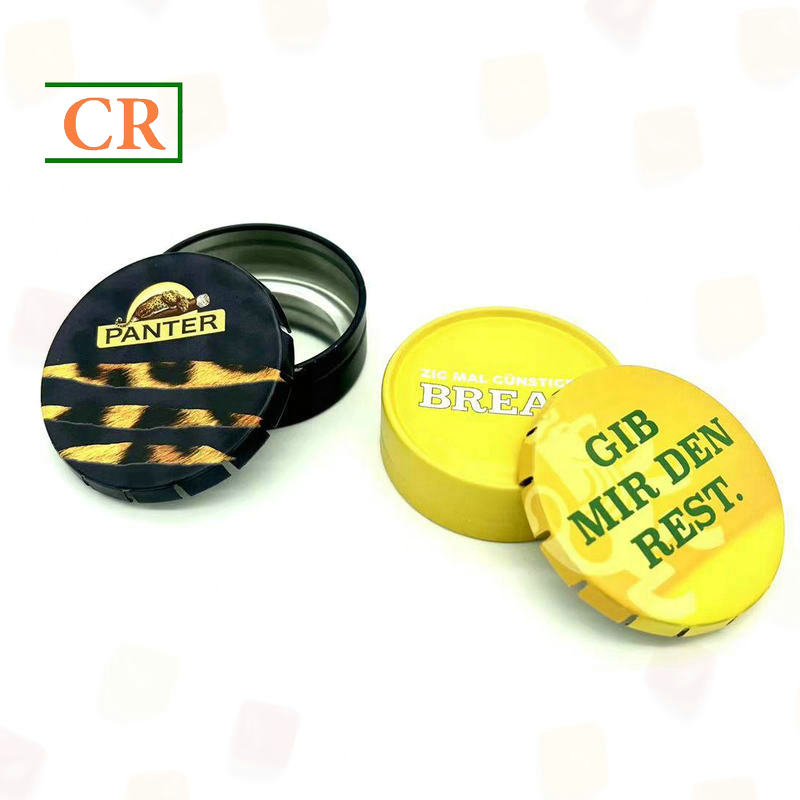
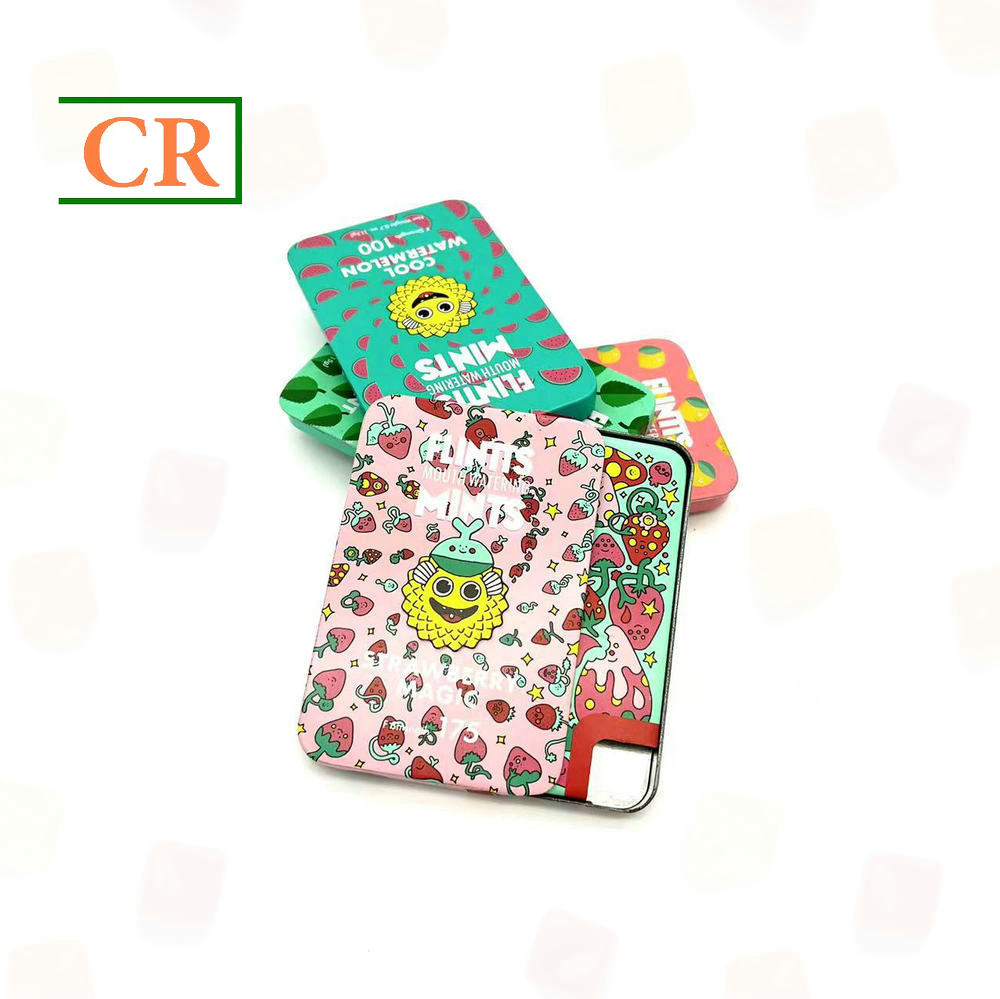
These two structures require different sheet layouts, but their product pages both list a 5,000-piece MOQ. That distinction matters: differences in component geometry can affect material yield and production cost without necessarily changing the supplier’s quoted minimum order quantity.
When two nearby sizes are both workable, comparing the production layout before freezing the final dimensions can reveal whether one option produces a cleaner yield without compromising product fit.
The Work Behind a Short Run
Why Short Runs Still Carry Setup Costs
A short order may use fewer sheets, but it still requires artwork checks, printing preparation, forming coordination, and inspection. Those tasks do not shrink in proportion to the finished quantity, so setup can account for more of the work on a small run.
The work varies by structure and artwork, but it extends beyond the amount of tinplate used. Each stage brings its own planning requirements.
|
1 Structure ReviewDimensions, components, opening direction, forming areas, and the production drawing need one agreed basis. |
2 Artwork and PrepressArtwork versions, orientation, print areas, and sheet imposition need review before printing. |
3 Printing PreparationThe print job needs stable production settings before repeated sheet output proceeds consistently. |
|
4 Cutting and FormingPrinted sheets are divided into usable components and matched with the forming sequence required by the structure. |
5 Version ControlMultiple printed designs need to remain identifiable while components move through production. |
6 Inspection and PackingArtwork identity, print position, formed appearance, finish, and packing instructions need controlled handoff. |
Consider four artwork versions made with the same tin structure. The forming route may stay unchanged, but the printed components still need to be identified, kept separate, and packed correctly.
Reusing an established tin shape can simplify forming without removing the print setup and version-handling work associated with new artwork.
MOQ and Price Answer Different Questions
Quantity and Unit-Cost Trade-Offs
MOQ describes a practical starting quantity for a defined manufacturing route. Unit cost describes how production cost is distributed across the finished quantity. The two are connected, but they should not be treated as the same number.
A short run may be technically workable while carrying a larger share of preparation per finished piece. As volume increases, setup is distributed across more units. However, a larger quantity does not automatically correct an inefficient sheet layout or an awkward split between artwork versions.
A More Useful Quotation Question
“Please compare the planned quantity with the next practical production level and explain whether sheet layout, setup, or artwork allocation creates the difference.”
Compare Realistic Quantity Scenarios
Instead of requesting only one quantity, a packaging brief can include an initial requirement and a likely repeat-order level. This gives production planning enough context to show whether the main change comes from setup distribution, sheet efficiency, or a more practical production multiple.
Do Not Change the Box Only to Chase a Lower Number
The packaging still has to work after quotation approval. A dimensional change can affect internal clearance, insert fit, information space, handling, display proportions, secondary packing, and the final opening experience.
Sheet yield should support the packaging decision rather than control it alone. A practical specification balances product fit, appearance, production stability, and expected order volume.
Reduce Uncertainty Before Commercial Production
What Samples Can Confirm Before an MOQ Decision
A developing packaging program may still need to confirm product fit, dimensions, artwork hierarchy, opening behavior, or visual appearance. A sample or trial path can help answer those questions before the final commercial production quantity is approved.
The purpose of the trial should be defined before it begins. A structural sample can answer fit and handling questions. A visual proof can answer artwork questions. Neither should automatically be treated as a miniature version of the final production run.
- Confirm product and insert clearance before outside dimensions are frozen.
- Check whether important artwork remains correctly positioned after forming.
- Review the relationship between the lid, body, side areas, and finished proportions.
- Identify whether several artwork versions require separate sorting or packing.
- Separate questions that a prototype can answer from questions that require final production planning.
Existing blank inventory follows another production path. Some new structural work may be avoided, while printing, decoration, inserts, or special packing can still have separate setup requirements.
Existing tooling should also be separated from finished printed stock. A tool can support the physical shape without removing the printing plan required by new artwork.
Where This Review Adds the Most Value
Where an MOQ Review Makes a Difference
Not every project needs a detailed sheet-layout discussion. A repeat order with unchanged dimensions, unchanged graphics, and an established production route may already have enough historical information.
The picture changes when dimensions, artwork quantities, or finishes are still in play. In those cases, comparing the production options before approval can prevent an avoidable compromise.
Two Sizes Both FitTwo workable sizes may fit the same product but produce different sheet yields once the components are developed. |
Artwork Quantities VaryA shared print layout may be inefficient if one design needs far more pieces than the others. |
A Small First OrderAn initial launch may need fewer tins than later repeat orders, changing how setup costs are distributed. |
The Finishes DifferSimilar-looking tins may need separate coating or finishing operations even when their dimensions match. |
Give Production Enough Information to Calculate
Information Needed for an Accurate MOQ Review
A target quantity alone does not show whether the sheet layout works, how many graphics must be printed, or whether the physical structure is still changing. A stronger request connects the package, artwork, and expected quantity pattern in one brief.
Procurement Decision
Two quotations can start from the same target quantity yet rely on different sheet layouts, artwork splits, or setup assumptions. Understanding which factor actually changes makes the comparison more useful than the MOQ figure alone.
Industry Background
Why the Sheet-Based View Matters
Tinplate reaches packaging manufacturing as a flat steel product before it becomes a finished container. That broader material context helps explain why sheet planning, printing, and later package manufacturing are connected but separate stages.
For independent technical background, the World Steel Association tinplate eco-profile describes tinplate as a tin-coated cold-rolled steel product supplied in coil or sheet form and subsequently processed into finished products.
For broader manufacturing context, Metal Packaging Europe describes how packaging sizes, shapes, and printing designs can vary according to customer requirements. These references provide industry background rather than a project-specific MOQ formula.
MOQ Planning Questions
FAQ
Why does box size affect MOQ?
Box dimensions change the flat footprint of the metal components. That can change the number of usable components fitting on each printed sheet. A relatively small dimensional revision may therefore create a larger change in pieces per sheet.
Can different designs share one print run?
They may be able to share part of the print arrangement when dimensions, orientation, finish requirements, and quantity ratios are compatible. Matching box size alone does not confirm that a shared setup is practical.
Does an existing blank tin remove every MOQ?
Not necessarily. Existing blank inventory can remove some structural production, while new printing, decoration, inserts, or special packing may still require separate setup.
What information is needed before MOQ can be confirmed?
The review should include the intended tin structure, outside dimensions, product or insert requirements, artwork files, number of artwork versions, quantity per version, finish direction, and expected total quantity.
Request a Quote
Submit the Specification for an MOQ Review
Prepare the tin structure, outside dimensions, product or insert size, printing artwork, surface finish, artwork-version count, quantity per version, and expected total volume. Those inputs provide a clear basis for checking sheet yield, print imposition, and production setup.
With those details available, the MOQ can be reviewed around the actual manufacturing logic rather than a general number. That creates a clearer basis for comparing dimensions, trial requirements, and practical order levels for a custom tin packaging project.
| Request an MOQ Review → | Compare Tin Structures |
Post time: Oct-20-2026